

Key Takeaways
- Flutter development costs: The total budget depends on app complexity, features, integrations, and platform requirements.
- Development timeline: A basic app may take 2–3 months, while complex projects can require 7 months or longer.
- Cross-platform benefits: Flutter allows businesses to share much of their code across iOS and Android, potentially reducing duplicated development effort.
- Feature prioritisation: Starting with an MVP helps control initial costs and validate the product before expanding its functionality.
- Ongoing expenses: Include maintenance, cloud hosting, third-party APIs, security updates, and enhancements in the long-term budget.
- Choosing a development partner: Compare technical expertise, project estimates, testing practices, and post-launch support before making a decision.
Flutter has become a practical option for businesses looking to build Android and iOS mobile apps with a shared codebase. Developed by Google, the framework supports consistent user interfaces, reusable components, and efficient development workflows, making it suitable for startups, established businesses, and enterprises planning new digital products.
In New Zealand, the Flutter app development cost depends on several factors, including application complexity, design requirements, backend infrastructure, third-party integrations, and the expertise of the development team. A basic business application may require a relatively modest investment, while an advanced platform with real-time features, AI capabilities, and complex integrations can demand a substantially larger budget.
Businesses should also consider expenses beyond initial development, such as testing, deployment, security updates, and ongoing technical support. Planning these requirements early helps establish a realistic budget and reduces the risk of unexpected costs.
Whether you're launching a customer-facing application or modernising an existing business process, understanding the pricing structure can help you allocate resources effectively and make informed technology decisions. For a broader product overview, see our guide to Flutter app development in New Zealand.
Estimated Flutter App Development Prices for Different Business Requirements
The cost of building a Flutter application in New Zealand varies according to the features, technical complexity, design requirements, and integrations involved. A simple app with essential functionality generally requires less investment than a sophisticated platform supporting real-time communication, AI-powered features, or complex business workflows.
For businesses evaluating Flutter app development in New Zealand, the following estimates provide an initial budgeting guide.
| App Complexity | Estimated Development Cost (NZD) | Estimated Timeline |
|---|---|---|
| Basic Flutter App | NZD 8,000–20,000 | 1–3 months |
| Mid-Level Business App | NZD 20,000–40,000 | 3–5 months |
| Advanced Feature-Rich App | NZD 40,000–70,000 | 5–7 months |
| Enterprise Flutter App | NZD 70,000–100,000+ | 7–10+ months |
What Does Each Budget Range Typically Cover?
- Basic applications: Suitable for simple business tools, informational apps, basic booking systems, or applications with limited backend requirements.
- Mid-level applications: May include user authentication, API integrations, payment processing, push notifications, and administrative dashboards.
- Advanced applications: Often involve real-time functionality, personalised experiences, sophisticated backend workflows, or multiple third-party integrations.
- Enterprise applications: May require complex system integrations, advanced security controls, multi-role access, high availability, and extensive testing.
Why Do Similar Apps Have Different Development Costs?
Two applications built with Flutter can have very different budgets, even if they appear similar on the surface. An application that displays information from a simple database requires less engineering effort than one that synchronises data across multiple systems, processes transactions, or supports thousands of concurrent users.
Businesses should therefore compare quotations based on deliverables, included features, testing, deployment, and post-launch support rather than relying solely on the initial price.
How App Complexity and Feature Requirements Shape Your Development Budget
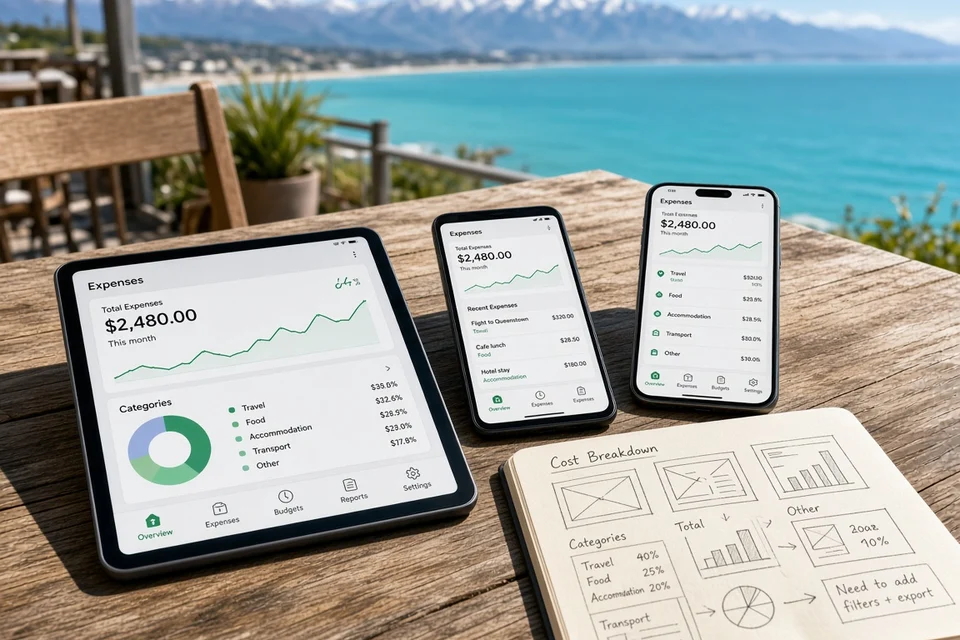
The complexity of a Flutter application is one of the main factors determining its development cost. While the framework allows developers to reuse code across platforms, the effort required to build features, connect external services, and ensure reliable performance still varies considerably.
Feature Scope and Business Logic
An application with basic registration, content pages, and contact forms requires less development effort than a platform with subscriptions, booking workflows, multiple user roles, or automated business processes. Each additional feature introduces design, coding, testing, and maintenance requirements.
UI/UX Design and Customisation
Flutter provides reusable widgets and flexible design tools, but applications with custom animations, interactive dashboards, complex navigation, and platform-specific experiences require additional design and implementation time.
Backend Development and API Integrations
Applications that need user accounts, databases, payment processing, real-time updates, or integration with existing business systems require backend services and reliable APIs. These components can significantly increase the overall budget.
Advanced Technologies and AI Capabilities
AI-powered recommendations, conversational assistants, image recognition, and predictive analytics introduce additional development and integration work. Businesses evaluating the AI App Development Cost in New Zealand should account for model integration, data preparation, testing, and recurring API or infrastructure expenses.
Security, Testing, and Performance Requirements
Applications that process payments or sensitive information may need stronger authentication, encryption, access controls, and security testing. Performance testing and compatibility checks are also important when the app must work reliably across a wide range of devices.
Team Expertise and Project Scope
The development team's experience, project management approach, and hourly rates can influence the final quotation. Businesses planning to hire mobile app developers in New Zealand should compare technical expertise, communication, testing practices, and delivery commitments alongside pricing.
The most effective way to control costs is to define a clear feature list, prioritise essential functionality, and validate technical requirements before development begins. This helps prevent scope changes and keeps the budget aligned with actual business needs.
A Detailed Breakdown of UI/UX Design, Coding, Testing, and Deployment Costs
Understanding how the development budget is distributed helps businesses identify where their money goes and which activities require the greatest investment. A Flutter app project typically includes discovery, design, frontend and backend development, testing, deployment, and project management.
The following table provides indicative cost ranges for a small-to-medium application developed for the New Zealand market.
| Development Component | Estimated Cost (NZD) | Main Activities |
|---|---|---|
| Research and Requirements | NZD 1,000–4,000 | Market research, requirements gathering, and technical planning |
| UI/UX Design | NZD 2,000–7,000 | Wireframes, prototypes, visual design, and usability planning |
| Flutter Frontend Development | NZD 4,000–15,000 | Screens, navigation, reusable widgets, and app interactions |
| Backend and Database | NZD 3,000–12,000 | APIs, authentication, databases, and business logic |
| Third-Party Integrations | NZD 1,000–6,000 | Payments, maps, notifications, and external services |
| Quality Assurance and Testing | NZD 1,500–5,000 | Functional, device compatibility, security, and performance testing |
| Deployment and Launch | NZD 500–2,000 | Release preparation, configuration, and store submission |
| Project Management | NZD 1,000–4,000 | Coordination, progress tracking, and delivery management |
Flutter vs Native Development: Which Approach Offers Better Value in New Zealand?
Choosing between Flutter and native app development can influence the initial budget, delivery timeline, and long-term maintenance effort. The right approach depends on the application's functionality, performance requirements, and target audience.
| Development Approach | Estimated Cost (NZD) | Typical Timeline | Best Suited For |
|---|---|---|---|
| Native iOS App | NZD 15,000–50,000 | 2–5 months | Apps focused on Apple devices |
| Native Android App | NZD 15,000–50,000 | 2–5 months | Apps targeting Android users |
| Separate Native iOS and Android Apps | NZD 30,000–100,000+ | 4–9+ months | Products requiring separate platform-specific implementations |
| Cross-Platform Flutter App | NZD 15,000–70,000 | 2–7 months | Businesses targeting both platforms with a shared codebase |
Why Flutter Can Reduce Development Costs
Flutter allows developers to share much of the application code between iOS and Android. This can reduce duplicated implementation work and simplify updates when both platforms require similar functionality.
It also offers a flexible widget system for building consistent interfaces across devices. For businesses launching a product on multiple platforms, these advantages may shorten development time and reduce ongoing maintenance effort.
When Native Development May Be More Suitable
Native development can be preferable when an application depends heavily on specialised device capabilities, platform-specific integrations, advanced graphics, or performance-sensitive functionality. Separate codebases may provide greater control, although they generally require more development and maintenance resources.
How Should You Decide?
Choose Flutter when you need a consistent experience across iOS and Android and can benefit from a shared codebase. Consider native development when platform-specific capabilities are central to the product.
The lowest initial quotation is not always the most economical option. Compare the complete mobile app development cost in New Zealand, including development, testing, updates, and support, before making a decision. Related pricing guides also cover iOS app development cost for Apple-focused products.
How Long Does It Take to Build a Flutter App, and What Does Each Stage Cost?
The timeline for developing a Flutter application depends on the number of features, backend complexity, integrations, testing requirements, and availability of project resources. A clearly defined scope and structured delivery plan can help businesses manage both costs and deadlines.
| Development Stage | Estimated Timeline | Main Activities |
|---|---|---|
| Planning and research | 1–2 weeks | Requirements and technical planning |
| UI/UX design | 2–4 weeks | Wireframes and interface design |
| App development | 4–12 weeks | Frontend and backend implementation |
| Integration and testing | 2–4 weeks | API integration, bug fixes, and quality checks |
| Deployment | 1–2 weeks | Release preparation and app store submission |
A basic Flutter app may take around 2–3 months, while a complex application can require 5–10 months or longer.
To control costs, prioritise essential features, confirm requirements early, and use phased development. A clear project scope helps reduce delays and unexpected expenses.
Ongoing Maintenance and Hidden Costs of Flutter App Development
Launching a Flutter app is only the beginning. Businesses should budget for ongoing maintenance, infrastructure, and updates to keep the application secure and reliable.
| Expense | Indicative Cost (NZD) |
|---|---|
| Bug fixes and minor updates | 500–2,000/month |
| Cloud hosting and infrastructure | 100–1,000+/month |
| Third-party APIs and services | 50–500+/month |
| Security updates and testing | 500–3,000/year |
| Major feature enhancements | 2,000–10,000+ per project |
What Should Businesses Budget For?
- Maintenance: Fix bugs and ensure compatibility with new operating system versions.
- Infrastructure: Cover hosting, databases, backups, and monitoring.
- Third-party services: Account for payment processing, maps, messaging, and API usage.
- Security: Update dependencies and review access controls.
- Feature upgrades: Improve functionality based on user feedback and business needs.
Regular mobile app maintenance in New Zealand can help businesses identify issues early and avoid costly emergency fixes.
How Can You Reduce Long-Term Costs?
Prioritise essential features, use reusable Flutter components, monitor infrastructure usage, and plan updates from the beginning. A clear maintenance agreement also helps businesses understand which services are included and what may incur additional charges.
Effective Ways to Reduce Flutter App Development Expenses
Businesses can manage their Flutter app development budget without compromising essential quality by following a few practical strategies.
1. Start With an MVP
Build essential features first and introduce advanced functionality after validating user needs.
2. Prioritise Features
Focus on features that deliver the greatest business value instead of expanding the scope unnecessarily.
3. Reuse Components
Use Flutter's reusable widgets and shared codebase to reduce duplicated development effort.
4. Use Managed Services
Consider existing authentication, payment, analytics, and cloud services instead of building every component from scratch.
5. Plan Integrations Early
Define API requirements and third-party dependencies before development to minimise unexpected rework.
6. Test Continuously
Regular testing helps identify defects early and reduces the risk of expensive fixes near launch.
7. Compare Development Proposals
When evaluating a Flutter app development company in New Zealand, compare technical expertise, deliverables, testing coverage, communication, and ongoing support, not just the quoted price.
A clear scope, phased delivery plan, and realistic maintenance budget can help businesses control costs while building a scalable application.
Conclusion
Flutter offers New Zealand businesses a flexible way to develop applications for iOS and Android using a shared codebase. However, the overall development cost depends on feature complexity, integrations, design requirements, testing, and ongoing maintenance.
A clear project scope, a well-planned MVP, and a suitable technology stack can help control the initial budget while leaving room for future growth. By evaluating development proposals carefully and accounting for long-term operating expenses, businesses can make more informed investment decisions and build Flutter applications that support their goals.
Frequently Asked Questions
1. How much does Flutter app development cost in New Zealand?
A basic app may cost NZD 8,000–20,000, while enterprise apps can exceed NZD 100,000.
2. How long does Flutter app development take?
A basic app may take 1–3 months, while complex applications can take 7–10 months or longer.
3. Is Flutter cheaper than native development?
Often, because Flutter allows developers to share code across iOS and Android.
4. What factors affect development costs?
Features, UI/UX design, backend complexity, integrations, testing, and developer rates all affect costs.
5. Does Flutter support both iOS and Android?
Yes. Flutter supports both platforms using a shared codebase.
6. Are maintenance costs separate?
Usually. Hosting, updates, security, and third-party services may involve additional recurring expenses.
7. How can businesses reduce development costs?
Start with an MVP, prioritise features, reuse components, and plan integrations early.
8. How should I choose a Flutter development partner?
Compare experience, project estimates, technical expertise, testing practices, and post-launch support.